




| Weight: | 1.365 kg |
|---|---|
| Alcohol volume: | 10% |
| Country of origin: | Portugal |
| Volume: | 0.75 l |
| Mark: | Mateus |
Mateus Semi-Dry White is a light, fresh, and young white wine with a slightly sparkling character, perfect for relaxed and casual moments. It is very accessible, lively, and versatile, making it easy to enjoy as an aperitif or with lighter meals. In ...
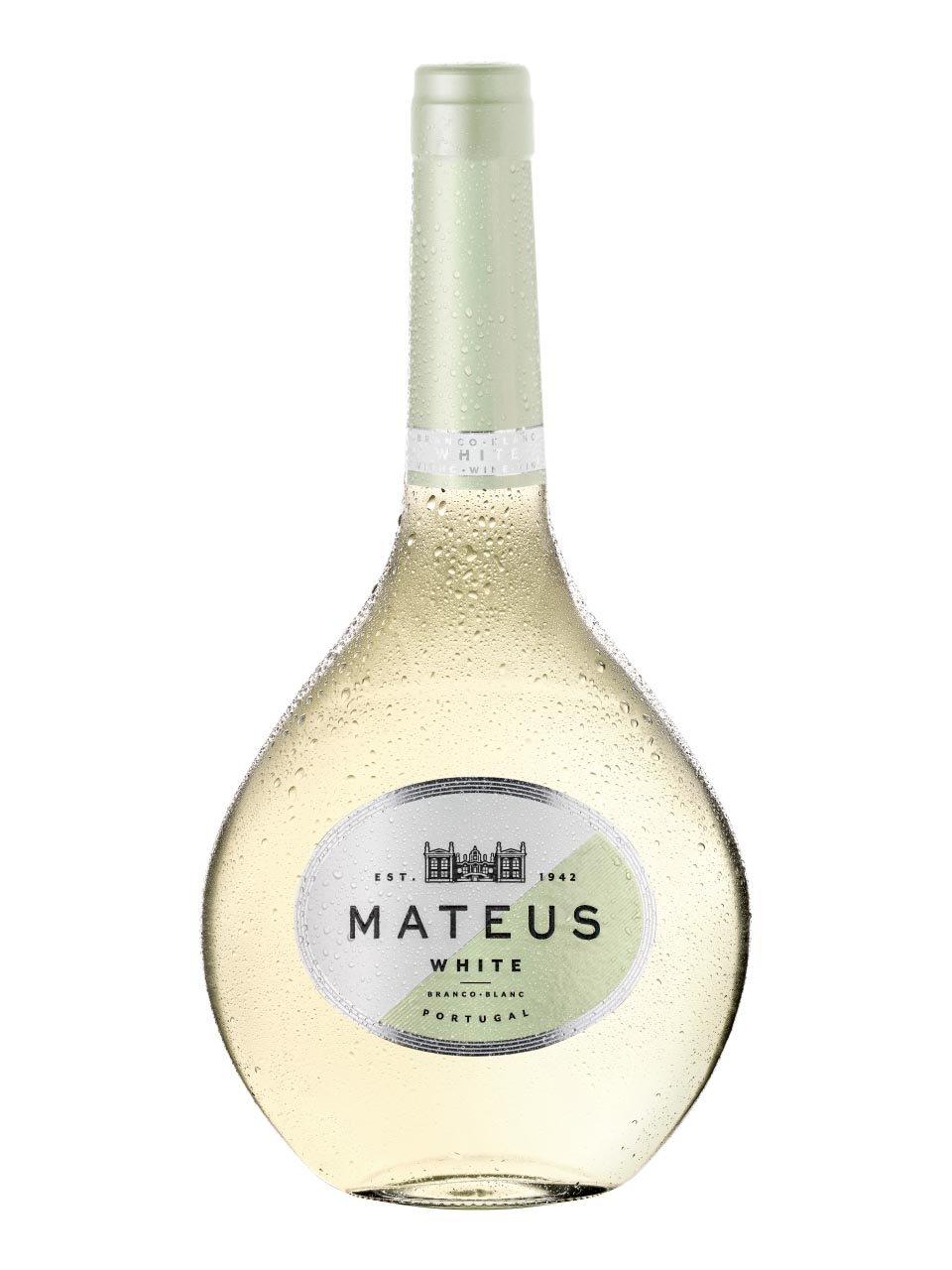
Mateus Semi-Dry White is a light, fresh, and young white wine with a slightly sparkling character, perfect for relaxed and casual moments. It is very accessible, lively, and versatile, making it easy to enjoy as an aperitif or with lighter meals.
In the glass, it has a citrus yellow color. The aroma is fruity, and the taste combines a delicate acidity with a balanced, youthful and fresh expression. Thanks to its lightness and slightly sparkling style, it makes a very refreshing impression.
Tasting profile:
Color: Citrus yellow.
Aroma: Fruity bouquet.
Taste: Delicate acidity, balanced, lively and youthful.
Finish: Fresh, slightly sparkling impression.
Serving:
Best served chilled to 6–8 °C in a white wine glass.
Food pairing:
Great as an aperitif or with grilled fish, seafood, salads, and light meals.
Production and storage:
The wine is made exclusively from white grape varieties using modern winemaking techniques that help preserve its freshness, balanced acidity, and youthful character. Before bottling, it is refined and cold stabilized.
Store the bottle in a dry and cool place, protected from light.
Basic information:
About the Mateus brand:
Mateus is an iconic Portuguese wine brand, one of the best known and most successful wines with international reach. Its story began in 1942, when Sogrape and its founder Fernando Van Zeller Guedes launched a wine that was exceptionally innovative for its time. The brand's success was supported not only by its distinctive taste, but also by its unmistakable bottle inspired by field bottles from World War I, which became an icon in its own right. Mateus quickly gained popularity, first in the United Kingdom, then in the United States and other countries around the world. By the 1950s, it had become a truly global brand, and in the following decades it established itself in markets in Asia, Australia, and Africa.